Chemical Storage Safety: Classification and Labeling
Chemical storage security is one of the most crucial processes for companies involved in chemical import and export. This process not only ensures the safety of stored materials but also minimizes environmental risks and prioritizes employee safety. Chemicals are generally classified as hazardous substances and therefore must be stored under special conditions. Correct classification, labeling, and storage conditions are essential for creating a safe operating environment. Proper classification and labeling of each chemical, in line with its hazardous properties, is critical to preventing potential risks.
The first step is chemical classification. Chemicals are generally classified according to their hazardous properties: explosives, fire-sensitive substances, toxic substances, oxidizers, corrosives, etc. Each chemical is assigned a hazard class based on these properties, and this class determines the storage area. For example, fire-sensitive substances should be stored in areas with special ventilation and fire safety measures. This classification is the most fundamental step in ensuring the safe storage and transportation of chemicals.
Labeling is as important as classification. Each chemical must have labels indicating its hazards during transport and storage. These labels should include the chemical's hazardous properties, first aid instructions, storage conditions, and emergency response information. Labeling in accordance with international standards ensures the safe transport and storage of products. Furthermore, the symbols and pictograms used during labeling should be universally accepted symbols for each hazardous property. These labels ensure that both workers and emergency responders have access to accurate information when handling chemicals.
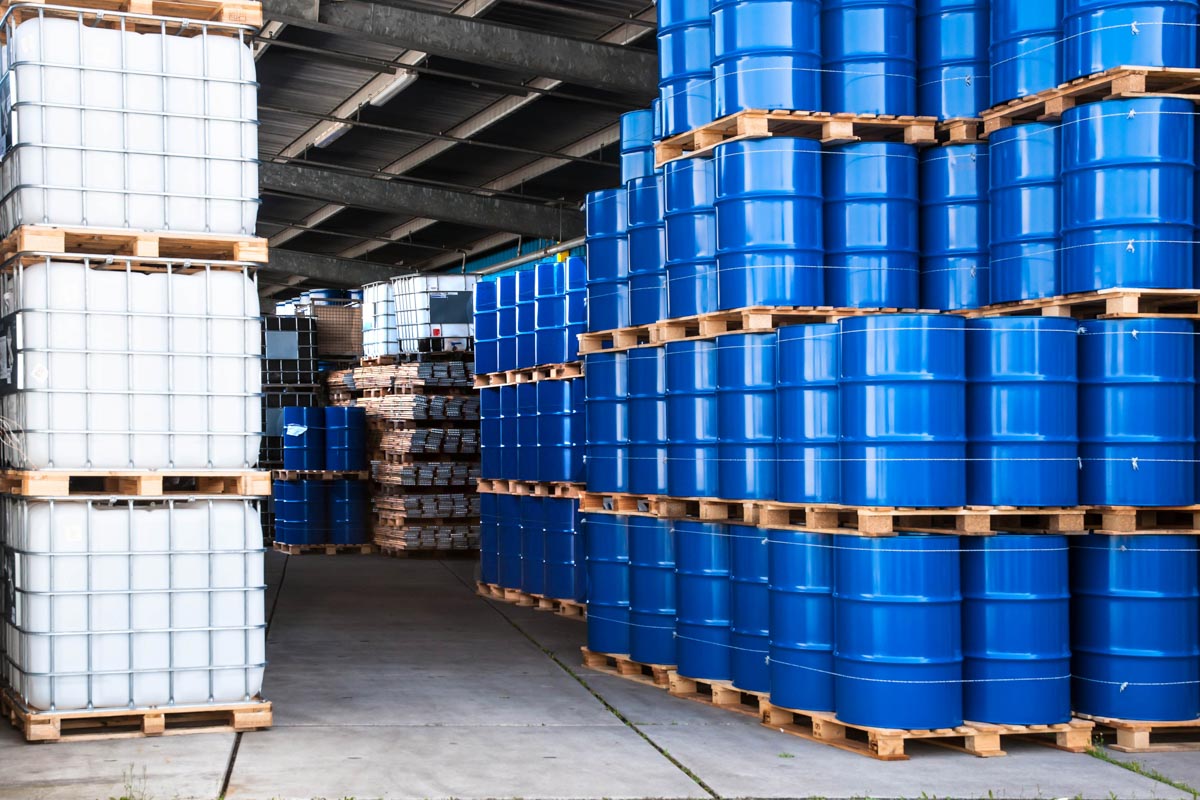
The organization of storage areas is another critical step in ensuring chemical storage safety. Storage areas should be separated according to the hazardous properties of each chemical, and appropriate safety measures should be implemented. Acidic and alkaline substances should generally be stored separately from each other. Additionally, fire-resistant cabinets or storage areas should be used for flammable substances, depending on the class of each chemical. Storage areas should be inspected regularly, and reports should be prepared to determine whether the chemicals are being stored safely. Storage conditions are critical to maintaining product safety and effectiveness.
Fire safety measures should also be implemented to ensure safety in chemical storage areas. Special fire suppression systems and emergency exit routes should be designated for fire-sensitive chemicals. Additionally, each storage area must be equipped with fire alarms, fire extinguishers, and adequate ventilation systems. Because chemical leaks can cause significant environmental damage, sealing systems should be used to prevent leakage risks. Environmental safety measures should also be implemented to prevent environmental damage in chemical storage areas. Alarm systems and automatic leak detection devices should be installed for early detection of chemical leaks.
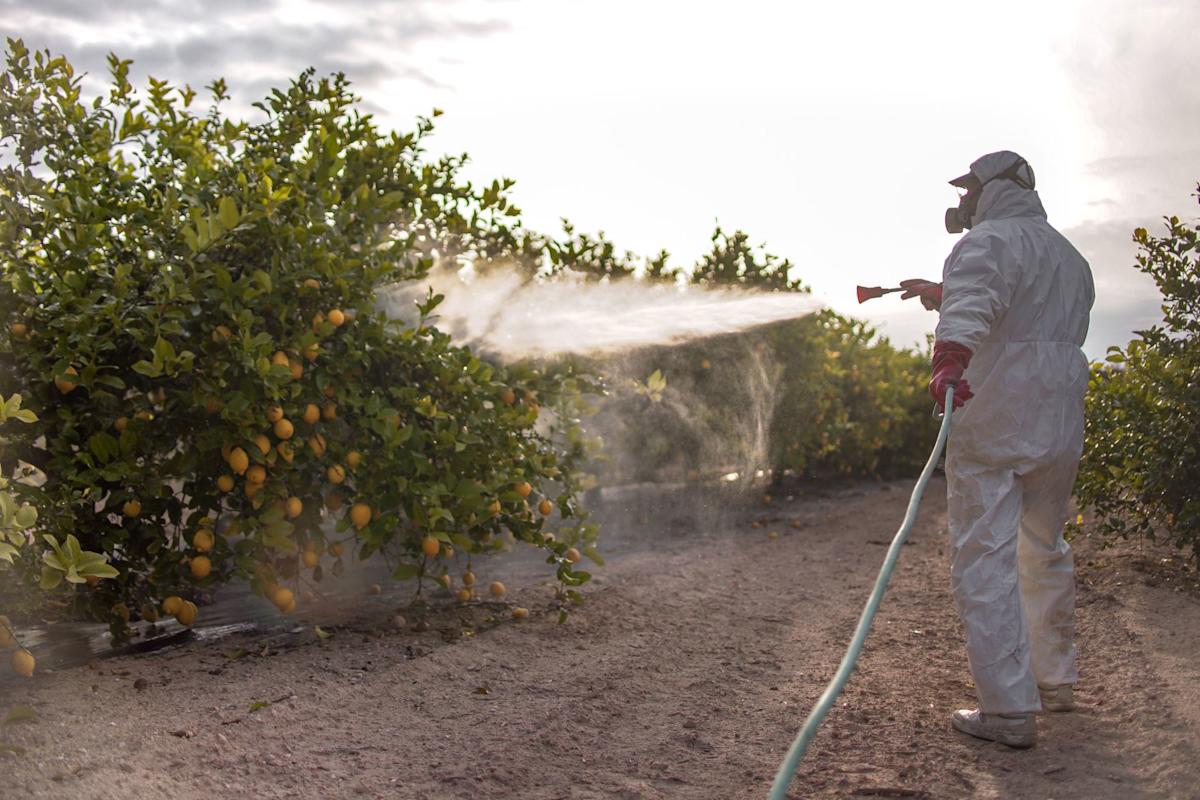
All personnel working with chemicals must receive training on safety procedures and the need to use appropriate personal protective equipment (PPE). This training should include best practices for the safe handling, storage, and transportation of chemicals. Necessary equipment (e.g., protective clothing, gloves, masks, and eye protection) should be provided to protect employees from risks when working with chemicals. Emergency plans should also be developed and drills should be conducted. Ensuring that employees are able to handle emergencies is another important step in improving chemical safety.