
Food import 101: TAREKS, Health Certificate, Analysis
Food imports are a crucial sector not only for protecting trade but also for protecting public health. For food importers, both the safety and compliance with legal requirements of products are of paramount importance. Among the most important documents for food imports in Turkey are TAREKS (Turkish Importer and Exporter Registration System) registration, health certificates, and analysis reports. These documents guarantee that imported food complies with Turkish health and safety standards. The food import process requires meticulous management at every stage.
The first step is TAREKS registration. TAREKS is a system that monitors product safety and health conditions involved in food imports. Every food importer must register the products they intend to import in the TAREKS system and obtain the necessary approvals. TAREKS registration must include all documents, including the importer's information, product type, labeling information, health certificates, and analysis reports. This registration regulates and supervises the import of products into Türkiye. Furthermore, approval of the TAREKS registration expedites the clearance of food products through customs and prevents potential delays. By completing this registration correctly, importers can avoid any disruptions in the future processes.
A health certificate is another important document for food imports. The compliance of imported food products with sanitary conditions is a fundamental requirement for trade between countries. A health certificate is a document issued by the authorized institutions in the country where the food products were produced and certifies that the products do not pose any health risks. Every food product imported into Türkiye is required to have this certificate. The health certificate guarantees that the products were produced under hygienic conditions, that processing processes are appropriate, and that the products do not pose any harm to human health. Furthermore, importers must present this certificate among the documents that will ensure the clearance of food products through customs.
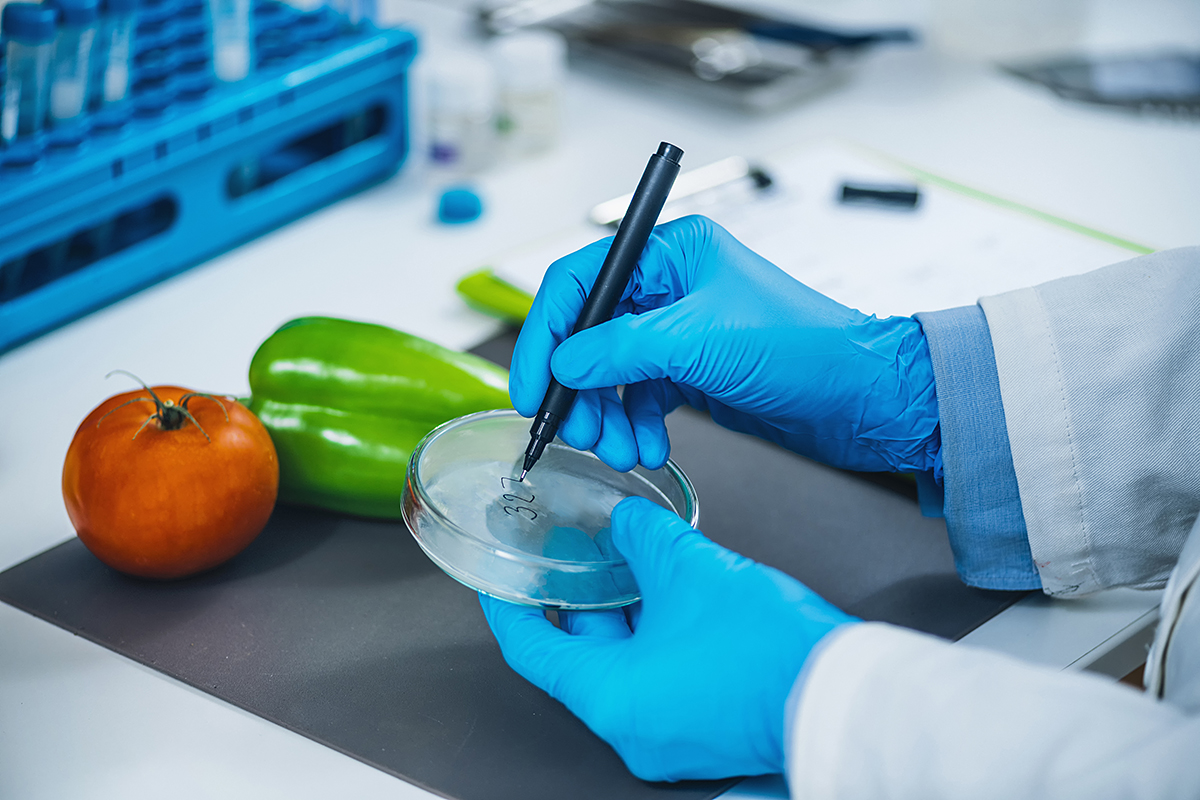
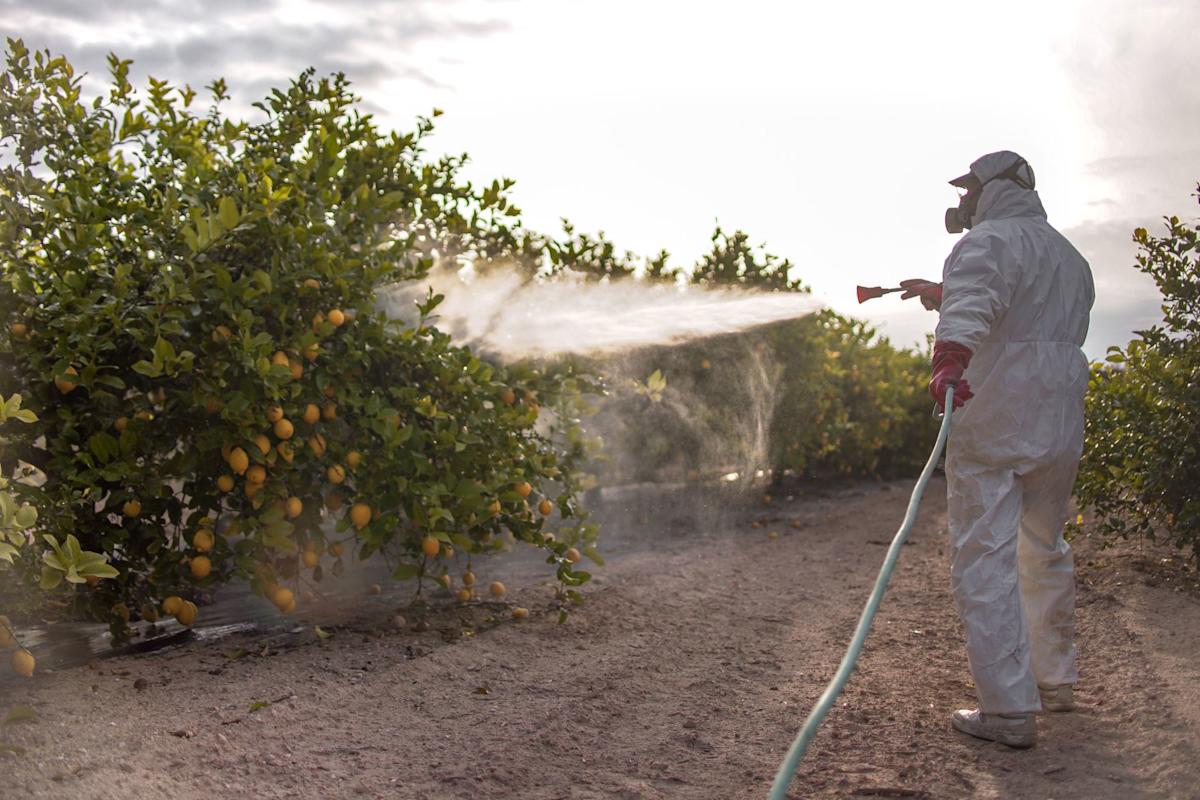
Another important step in food imports is the analysis reports. During food imports, products must be tested and analyzed in laboratories. These tests determine that the products are free of chemical composition, additives, microorganisms, and other hazardous substances. Food products must be analyzed according to local regulations and health standards. For example, according to Turkish food safety legislation, every imported food product must be tested for additives, pesticide residues, heavy metals, and mycotoxins. Each of these tests proves that the product is safe and does not harm consumers.
Complete and accurate analysis reports are crucial for food imports. Inaccurate or incomplete reports can result in food products being rejected at customs or imports being cancelled. Therefore, importers are required to submit analysis reports from reliable and accredited laboratories. Furthermore, analyses must be repeated for each product at regular intervals, and the results must be kept up-to-date.