Halal, ISO 22000, HACCP: A Quick Guide For the Importer
For food importers, international certification systems are crucial for both compliance with legal requirements and gaining consumer trust. Halal, ISO 22000, and HACCP certifications are critical standards that document product safety, hygiene, and compliance with religious sensitivities, particularly in food import processes. These certifications not only ensure the smooth operation of imports but also enhance the importer's competitiveness in the global market. For importers based in Ankara or operating throughout Turkey, compliance with these standards forms the basis for sustainable and reliable trade.
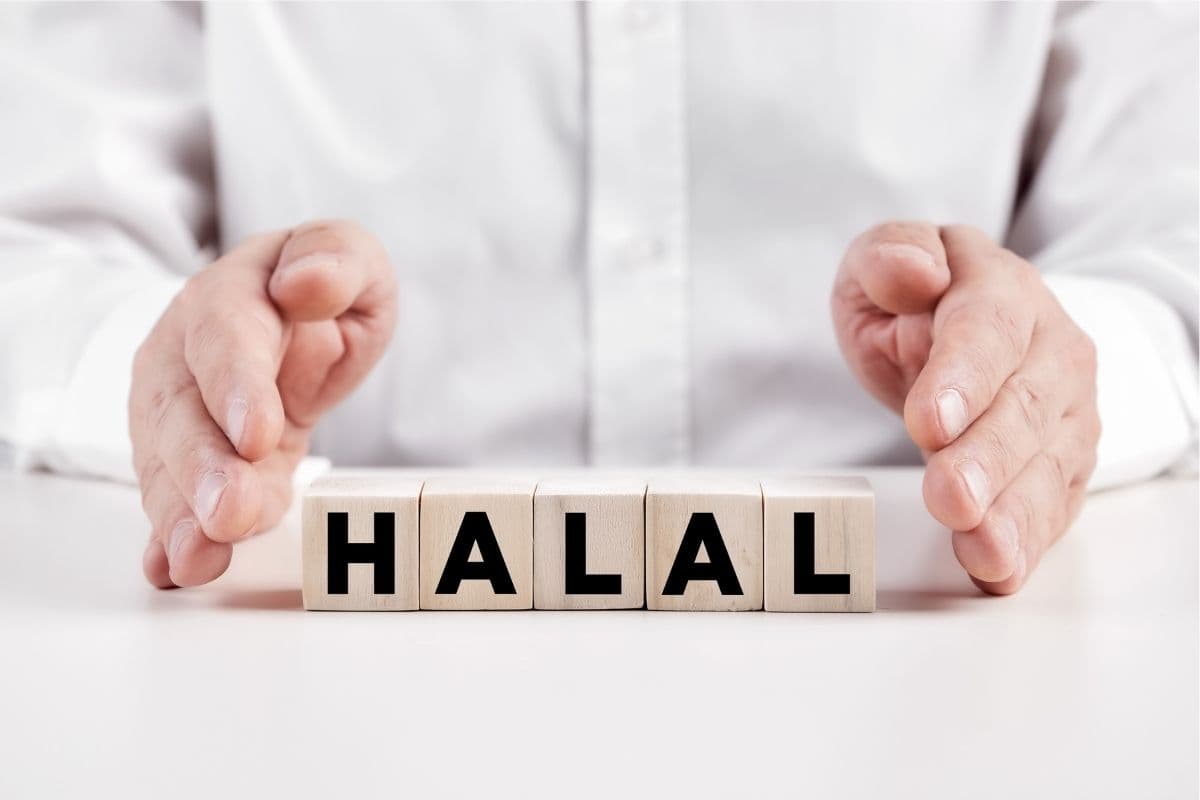
Halal certification is particularly important in trade with Muslim countries. This certification certifies that products are produced, processed, and packaged in accordance with Islamic principles. Importing Halal-certified products guarantees that production processes are carried out in accordance with Islamic principles, that prohibited ingredients such as lard or alcohol are not used, and that all processes are overseen by authorized institutions. Halal certifications in Turkey are issued by the Turkish Standards Institute (TSE) and accredited Halal certification bodies. Food importers, particularly in the Middle Eastern and Asian markets, gain an advantage in their export processes by working with Halal-certified products.
ISO 22000 is a food safety management system standard that aims to ensure safety throughout the entire food chain. This standard controls food safety from production to consumption. For importers, working with suppliers holding ISO 22000 certification minimizes food safety risks. This system ensures that every stakeholder in the supply chain (producer, transporter, warehouse, distributor) operates with the same quality management approach. ISO 22000 certification also helps importers be seen as a reliable business partner in international markets. Products holding this certification are more easily approved by both TAREKS and local health authorities.
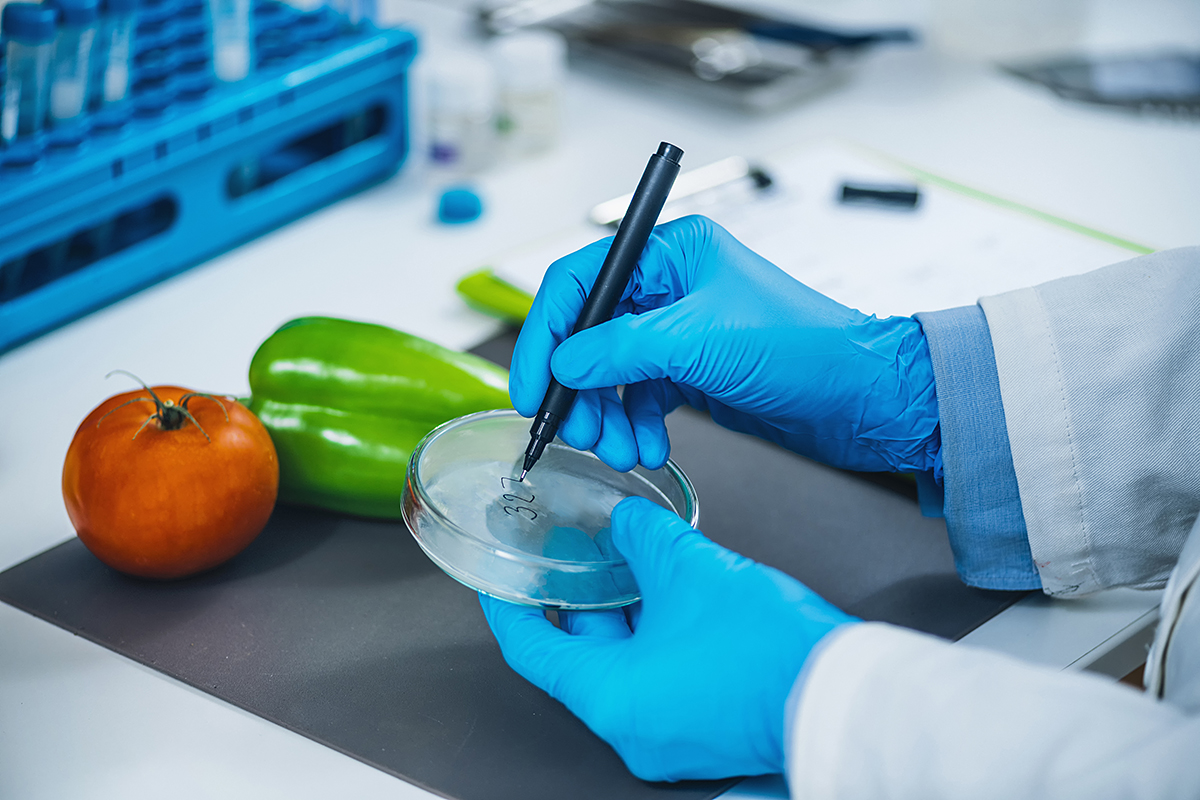
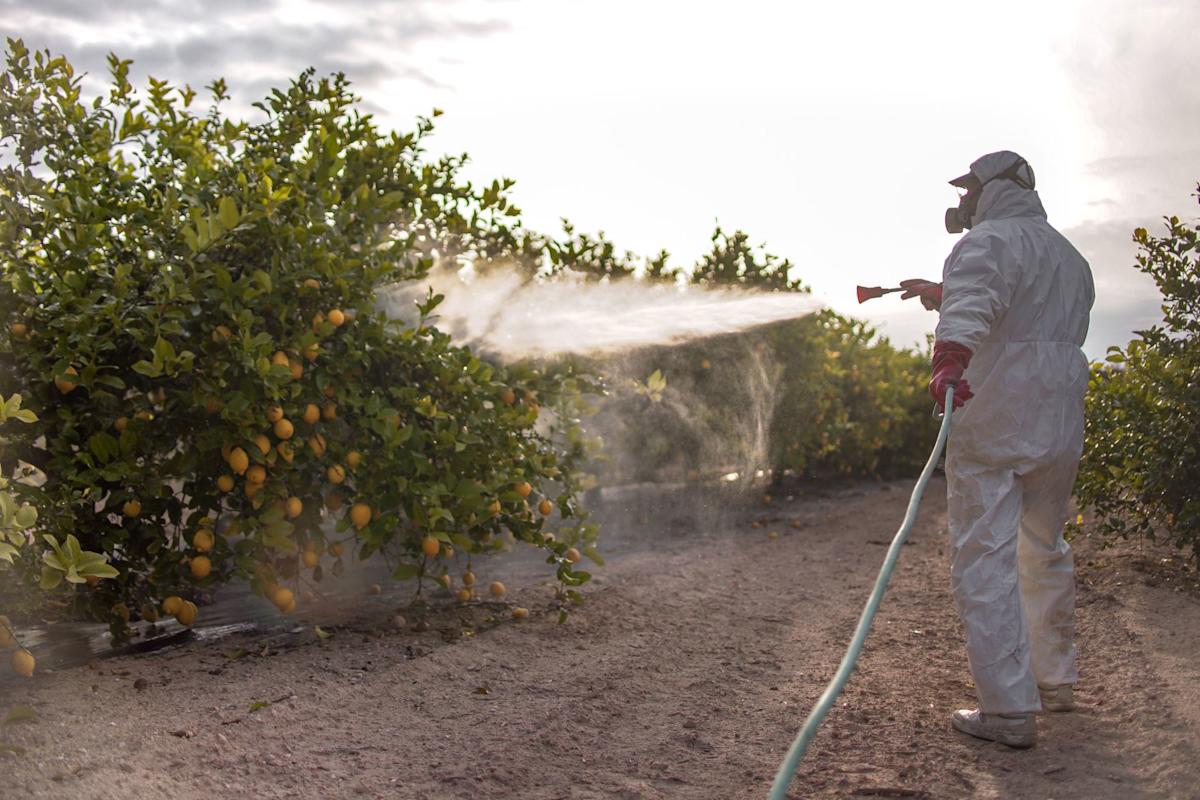
HACCP (Hazard Analysis and Critical Control Points) is a management model developed to proactively identify and control food safety risks. This system identifies physical, chemical, and biological risks that may arise during food production or processing and establishes critical points for controlling them. Importers minimize food safety risks by sourcing products from producers operating under the HACCP system. This system provides a significant advantage, particularly in customs inspections and TAREKS assessments. The HACCP system is an internationally recognized safety standard for both importing and exporting companies.
The combined implementation of these three systems creates a strong quality and safety structure in food imports. Halal certification ensures religious compliance, ISO 22000 provides general food safety management, and HACCP ensures risk control during the production process. By working with products that meet each of these certifications, importers ensure both legal compliance and build consumer confidence. Furthermore, these certifications enhance brand value in international markets and demonstrate that the importer manages a professional supply chain.
These certifications create a competitive advantage not only for large-scale companies but also for small and medium-sized importers. Certified products are more readily accepted both in the Turkish market and in export-oriented operations. Additionally, Halal, ISO 22000, and HACCP certifications reduce potential customs or inspection delays during the import process. This allows products to reach the market faster, increasing customer satisfaction and strengthening their business reputation.