Quality Control Steps in Polymer/Monomer Imports
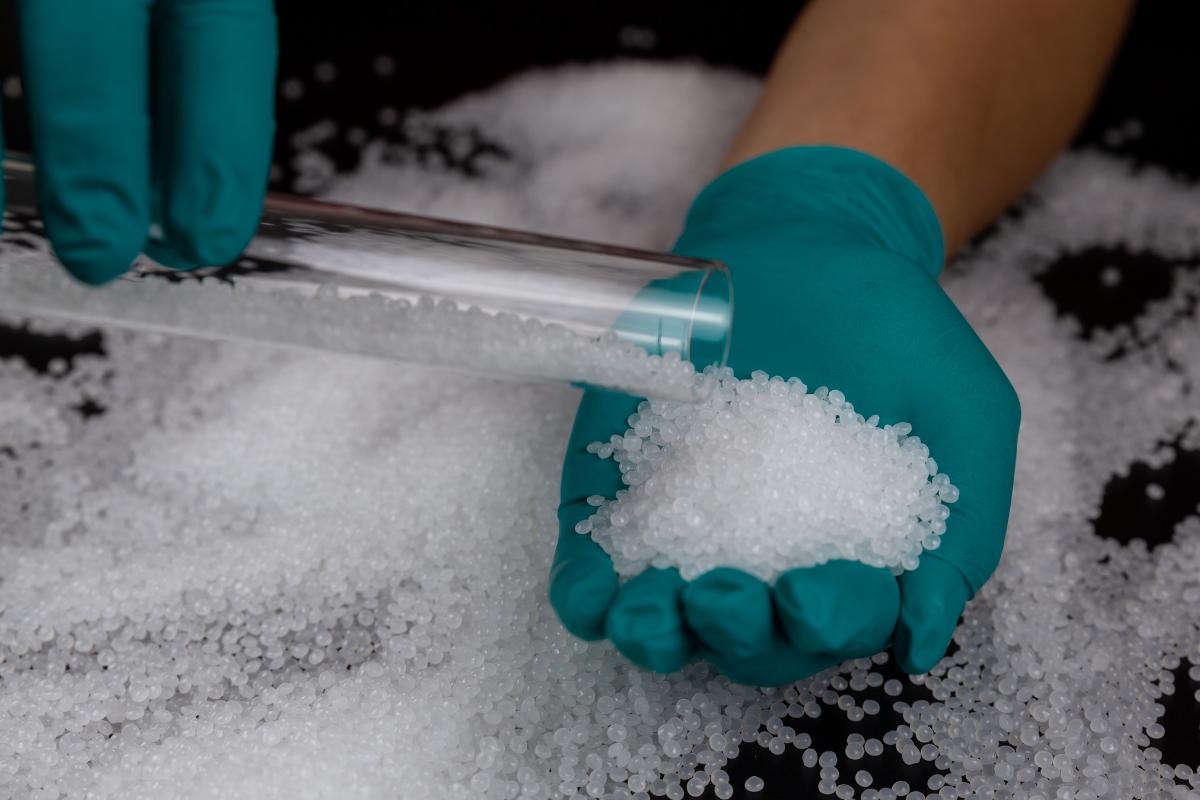
Polymer and monomer imports are of great importance, particularly in the chemical sector. These chemicals have a wide range of uses in industrial production and require accurate quality control and inspections. When importing polymers and monomers, full compliance with both customs regulations and quality standards is essential. Because each type of polymer or monomer has specific chemical and physical properties, meticulous quality control processes must be implemented during importation. These processes not only ensure product safety but also ensure that the raw materials used in production are correctly sourced.
The first step is to accurately determine the technical specifications of the polymer or monomer to be imported. These products are generally obtained through the polymerization process and consist of different types of chemical components. Production conditions, such as the content ratio of each component and temperature and pressure, can affect the final quality of the polymers or monomers. To conduct accurate quality controls when importing these products, importers should request product technical documentation, production conditions, and certificates for the raw materials used from the supplier.
Another important step in quality control processes is laboratory testing. The physical properties of polymers and monomers are generally determined by parameters such as density, fluidity, melting point, molecular weight, and viscosity. The importer must obtain analysis reports from independent laboratories to test each of these properties. Furthermore, it must be ensured that each of these tests complies with international standards and the customer's requirements. Because quality standards can vary depending on the intended use of polymers (e.g., construction, food packaging, automotive), tests and certifications should be customized accordingly.
Another critical point in polymer and monomer imports is the correct classification of products at customs. Products not classified with the correct HS Code at customs can result in taxes and customs penalties. Therefore, determining the correct HS Code for each product is crucial. While polymers and monomers are generally classified as plastic raw materials, each component may have different customs tariff and tax rates. These details should be taken into account when preparing customs declarations.
Furthermore, the environmental impact and safety of the product are also important factors when importing polymers and monomers. Such substances are often potentially polluting. Therefore, importers must also comply with environmental safety and waste management requirements. Suppliers are required to document the environmental impacts of polymers and monomers and provide certificates confirming the environmental friendliness of their products.
During product storage, it is important to consider that polymers, in particular, can be affected by heat and humidity. Polymers generally perform best under specific temperature and humidity conditions. Therefore, temperature control in storage areas should be maintained, and products should be stored under appropriate conditions. Furthermore, fire safety measures should be implemented during chemical storage, and measures should be implemented to prevent leakage and contamination.
Finally, supply chain management is crucial in polymer and monomer imports. Importers must maintain close communication with suppliers and ensure thorough quality control at every stage. Furthermore, supplier audits and regular audits are essential to ensure consistent quality. Regularly reviewing supplier production processes and quality management systems helps importers identify potential risks early.
When polymer and monomer imports are managed with appropriate quality control and security measures, they ensure smooth customs procedures and the quality of the raw materials used in production processes. A careful and meticulous approach at every stage of these processes helps chemical importers and exporters build sustainable business models.