
Supplier Verification Checklist for Chemical Imports From China
For Ankara-based import teams, choosing the right supplier in China is about much more than just a price quote. Unless product safety, regulatory compliance, and sustainable delivery performance are integrated into the same document, chemical import operations carry risks. The following checklist offers end-to-end audit recommendations, from sampling to contracting, from production to shipment. Regularly working teams like [COMPANY NAME] achieve both time and cost savings by standardizing their verification steps.
1) Verify identity and legal status
Request copies of the business license and export license; check the Unified Social Credit Code against the official database.
Confirm whether the supplier is an actual manufacturer or a trading company; if so, request the factory address and facility photos.
Inquire about brand/license status: Communications with the authorized person who can issue MSDS/SDS and the quality manager must be clear.
2) Product and regulatory compliance
Request label drafts for CLP/GB and target market; Check if the H/P statements and pictograms are consistent.
Request an updated SDS (16 sections); verify that the component CAS/EC numbers and exposure scenarios are complete.
For projects destined for the EU, obtain written confirmation of REACH registration/exemption status. These steps are essential for teams involved in chemical import and export.
3) Sample–commercial batch consistency
Call the sample a reference lot; compare critical tests such as specification (CoA) and viscosity/strength in the sample and pilot production.
Are the sample SDS and the commercial shipment SDS the same version? If there are differences, request a revision before shipment.
View the packaging data sheet (drum/IBC/liner) and UN approval documents at the sample stage.
4) Factory inspection (remote/on-site)
Ask about the production line capacity, raw material lead times, and maintenance plans.
Verify ISO 9001/14001/45001 certifications; are waste management and EHS procedures in place?
Visualize the route audit: raw material receipt → production → filling → quality control → storage → shipment flow.
5) Financial and contract assurances
Obtain trade references and SWIFT confirmation; split the payment into parts (e.g., down payment + post-production balance + loading confirmation).
Include quality tolerance ranges, rework/substitution requirements, and delay penalties in the contract.
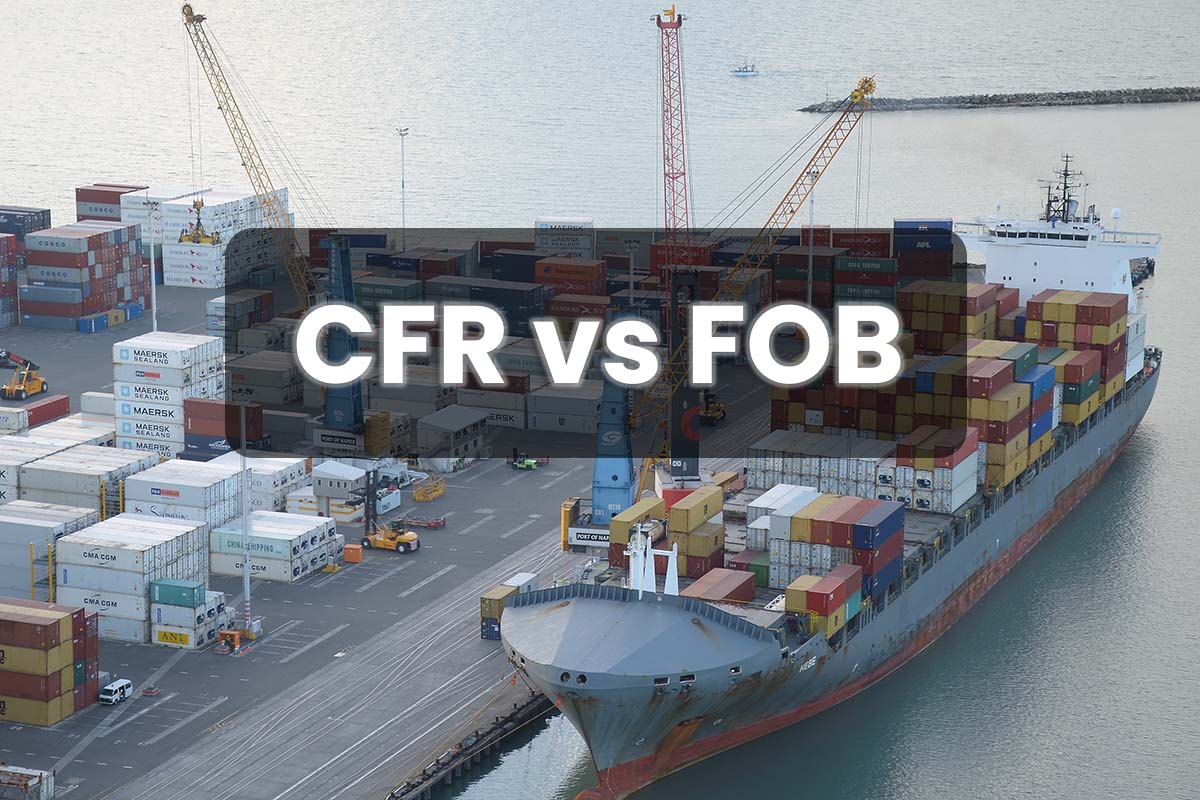
Clarify the INCOTERMS 2020 delivery method; plan cargo insurance according to Institute Cargo Clauses A/B/C.
6) Logistics and hazardous material compliance
UN number, class, and packaging group must be recorded on the transport plan according to ADR/IMDG regulations.
Request a pre-shipment checklist with photos for palletizing, segregation, and labeling locations.
Reduce the risk of demurrage/warehousing by clarifying cut-off times, free times, and potential transshipment ports in advance.
7) Quality control and third-party testing
Plan for random sampling and independent laboratory analysis (CoA verification) before loading.
Define acceptance/rejection criteria item by item in the incoming quality control plan; define a CAPA (corrective/preventive action) process for nonconformance.
Implement a "rigorous inspection" for the first three shipments, followed by a "normal inspection" based on performance.
Red flags (early warning):
Overly aggressive pricing + avoiding sharing documentation
Missing H/P statements on SDS/label drafts
Significant specification difference between sample and pilot production
Consistently offering EXW instead of FOB (risk of evading loading controls)
Quick summary checklist (save as a printout):
License and certificates verified
SDS/label drafts approved
REACH/CLP status letter received
Sample-commercial lot matching completed
Contract and ICC-based terms signed
UN/ADR/IMDG information included in freight
This discipline in sourcing from China makes your operations in Ankara predictable. By making this checklist a standard procedure, [COMPANY NAME] catches errors early and builds trust in long-term supply relationships. This strengthens the feedback loop on the Chemical Export side, allowing new product approvals to proceed more quickly. If necessary, you can apply a similar audit logic for your food and textile lines and implement a single-roof procedure for Food Import and Textile Import projects.